 Skip to content

 /

Buying an older home in Delaney Park starts with looking beyond the finishes. A welcoming porch or updated kitchen may catch your eye. However, the records behind the work deserve attention too. Use this checklist to organize permit questions, inspections and renovation plans for the specific home you are considering.
For parks, location and broader home-search context, start with our Delaney Park neighborhood guide. Here, we focus on the questions to ask before you commit to an older property.
A home’s age does not establish its historic designation, condition or renovation options. Check each of these separately for the property you want to buy.
1. Check the address and historic designation
First, confirm which local government handles the property. For an Orlando address, use the city’s mapping tools and ask staff about any unclear designation. An older house and an officially designated historic property are different things.
Orlando’s historic preservation FAQ explains how to look up an address. Local historic districts and individual landmarks can have exterior-work review requirements. Therefore, check the parcel rather than relying on a neighborhood label in a listing.
Save the result with your property notes. If you plan to change the exterior, send city staff the address and a description of the proposed work. Ask which reviews apply before building those changes into your plans.
2. Review records when buying an older home in Delaney Park
Next, ask the seller for a list of improvements and approximate completion dates. Request available invoices, warranties, plans and permit documents. For example, separate a kitchen’s cosmetic updates from changes to plumbing or electrical systems.
Compare that history with the official permit records. Orlando’s permit-status guidance links to its current lookup tool and explains how to ask about open or expired permits.
If an entry is unclear, ask the city what its status means and what information is missing. Also, avoid treating an absent online result as proof that work lacked a permit. Keep a short list of unresolved questions for the seller and the appropriate city staff.
3. Agree on the inspection scope
Before booking, discuss the home’s features and your concerns with a qualified home inspector. Florida’s DBPR home inspector FAQ describes a home inspection as a limited visual examination of readily accessible systems. It does not promise a complete view behind walls or beneath finishes.
Ask how the inspection will address the roof, structure, electrical system, plumbing and heating or cooling equipment. Where an attic or crawlspace exists, ask about access. In addition, clarify how the report will document moisture observations and areas the inspector could not examine.
Then read the report’s recommendations, not just its summary. Ask which findings need a specialist and arrange appropriate follow-up. An inspection report and a permit record answer different questions; keep both in your review.
4. Check renovation plans before relying on them
Imagine that you want different front windows or a rear addition. Before assuming either is possible, describe the work to the relevant planning and permitting staff. Include the address, existing conditions and your intended scope.
For properties subject to historic review, Orlando explains that a Certificate of Appropriateness is a planning approval. It is distinct from a building permit. Use the city’s preservation guidance to start that conversation, then confirm the requirements for your project.
Meanwhile, ask your designer or contractor what information they need to assess the idea. A listing description or an attractive concept drawing does not settle whether a particular change can proceed.
5. Build a work budget from written estimates
Once you understand the findings, request estimates tied to a clear scope. Separate work you need to address promptly from changes you would simply like to make. Ask what each estimate includes, excludes and assumes.
For example, clarify whether an estimate covers design, permit-related work and any recommended specialist services. Also, ask what could change the price after further investigation. Avoid choosing an allowance based only on another home’s renovation.
Discuss the specific property’s insurance needs and your proposed work with an insurance professional. Finally, organize unresolved costs and timing questions with your agent before the applicable deadlines in your purchase agreement.
Your older-home document checklist
When buying an older home in Delaney Park, keep these five items together. That makes it easier to compare homes and follow up on missing information.
- Address and designation notes: jurisdiction, mapped status and any answers from city staff.
- Renovation history: the seller’s work list and available supporting documents.
- Permit-status answers: relevant entries and clarification of unresolved records.
- Inspection reports: the general inspection, access limitations and recommended follow-up.
- Written estimates: proposed scope, exclusions and questions that still affect your budget.
Frequently asked questions about older Delaney Park homes
Do permit records replace a home inspection?
No. Use permit records to investigate documented work and ask the city about its status. Separately, ask a qualified inspector to assess the home’s accessible systems and explain any limitations. Review both before deciding which issues need further attention.
What should I do if the seller has no original plans?
Ask for other available records, such as invoices, warranties and a dated list of improvements. Orlando notes that original blueprints can be difficult to find and historic permit records are incomplete. Missing plans alone do not settle whether work had approval. Ask city staff what records are available, and discuss unresolved questions with your inspector or other relevant professionals.
See the Orlando preservation FAQ for guidance on historic records and the Florida DBPR inspector FAQ for inspection scope.
Selling an older property as well? Our Delaney Park seller resource covers the selling side of your move.
Compare Delaney Park homes with a clear plan
Young & Younger can help you organize your home search and property questions. Contact our team to discuss the homes you are considering and the next steps in your search.
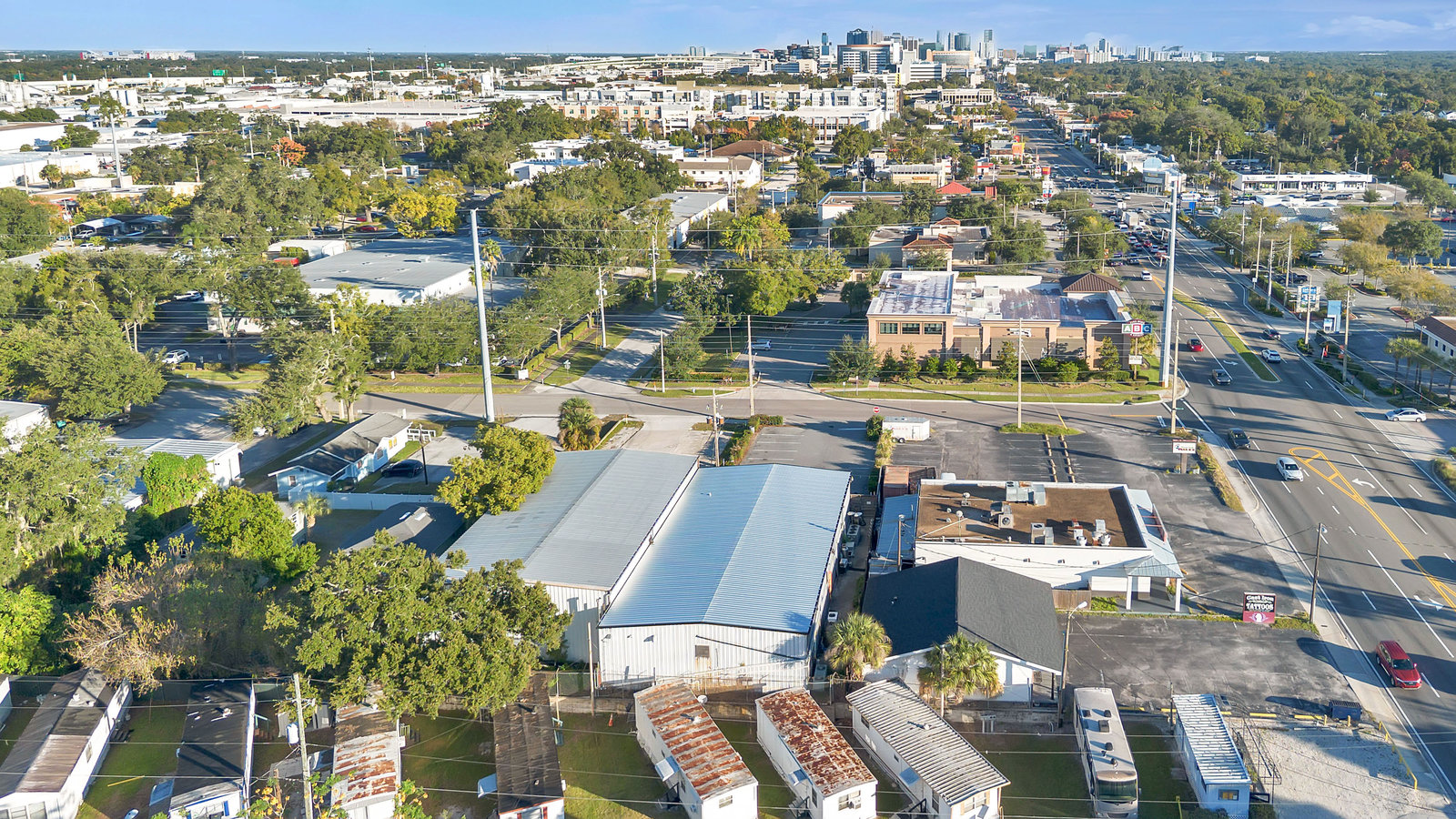
Featured photo: an existing area image from our Delaney Park guide, used for neighborhood context.
Official resources checked September 29, 2026. Confirm current requirements with the relevant authority for your address and proposed work.
Recent Articles
SoDo Shopping Center Orlando: Target, Publix and Everyday Essentials
SoDo Shopping Center Orlando is a useful stop to explore when you are comparing nearby homes. However, the Target store [...]
Buying an Older Home in Delaney Park: A Buyer’s Checklist
Buying an older home in Delaney Park starts with looking beyond the finishes. A welcoming porch or updated kitchen may [...]

Lake Conway Estates Lake Lot: Membership and Boat Access for Homebuyers
Featured photo: South Lake Conway and nearby homes; a broader area view, not a photograph of the LCERA lake lot. [...]


